top of page

Demonology

Exorcisms
An exorcism is a religious or spiritual ritual designed to expel demonic forces, spirits, or malevolent entities from a possessed person, object, or location. The process generally involves prayers, commanding the entity to leave in the name of a higher power (e.g., Jesus Christ), and the use of sacred items. Key Aspects of the Exorcism Process: Assessment & Preparation : Before a formal rite, authorities often conduct an investigation to rule out mental or physical illness,
therobotpanda
Mar 9

Black Flame
The occult Black Flame represents a, primarily Left-Hand Path, symbol of divine consciousness, individual sovereignty, and self-deification. It signifies the inner, unquenchable spark of awareness that empowers the self, often contrasting with, or destroying, external control or spiritual "white light" ideologies. It also represents destruction, transformation, and void energy. Key Aspects of the Black Flame in Occultism: Self-Deification and Sovereignty : Often central to Sa
therobotpanda
Mar 2

Baal The Demon
Baal was a prominent ancient Near Eastern deity, especially among Canaanites and Phoenicians, revered as a powerful god of storms, fertility, and agriculture, often depicted with a thunderbolt, controlling rain and ensuring harvests, though the name "Baal" itself means "lord" or "owner" and was applied to various local gods, later gaining negative connotations in the Bible as a rival to Yahweh. Key aspects of Baal: Deity of Storms & Fertility : He was seen as the "Lord of the
therobotpanda
Feb 23
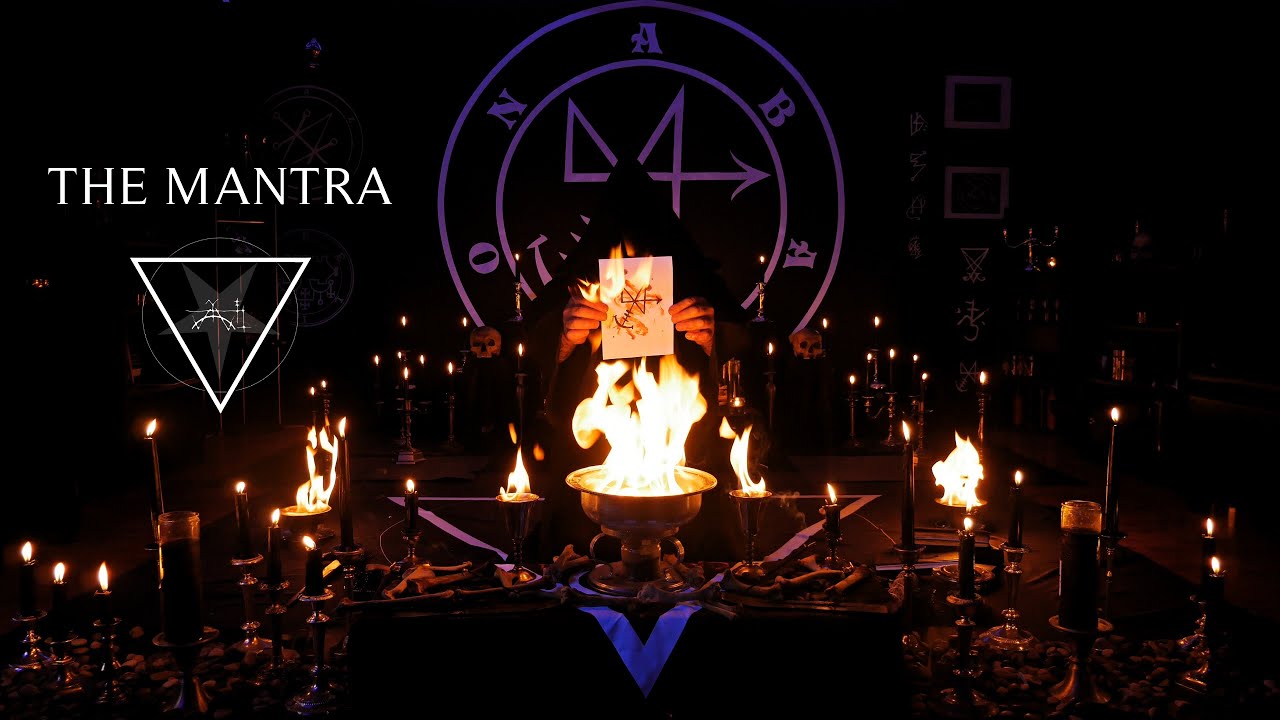
Abaddon Invocation
Abaddon, known in Greek as Apollyon ("the Destroyer"), is a biblical figure described in Revelation 9:11 as the angel of the bottomless pit and king of a plague of demonic locusts. Representing destruction, he is often interpreted as a high-ranking fallen angel or demon serving under Satan. Key details about the demon Abaddon: Biblical Role : In the Book of Revelation, Abaddon rules over the abyss and releases a tormenting army of locusts with scorpion-like tails during the e
therobotpanda
Feb 16
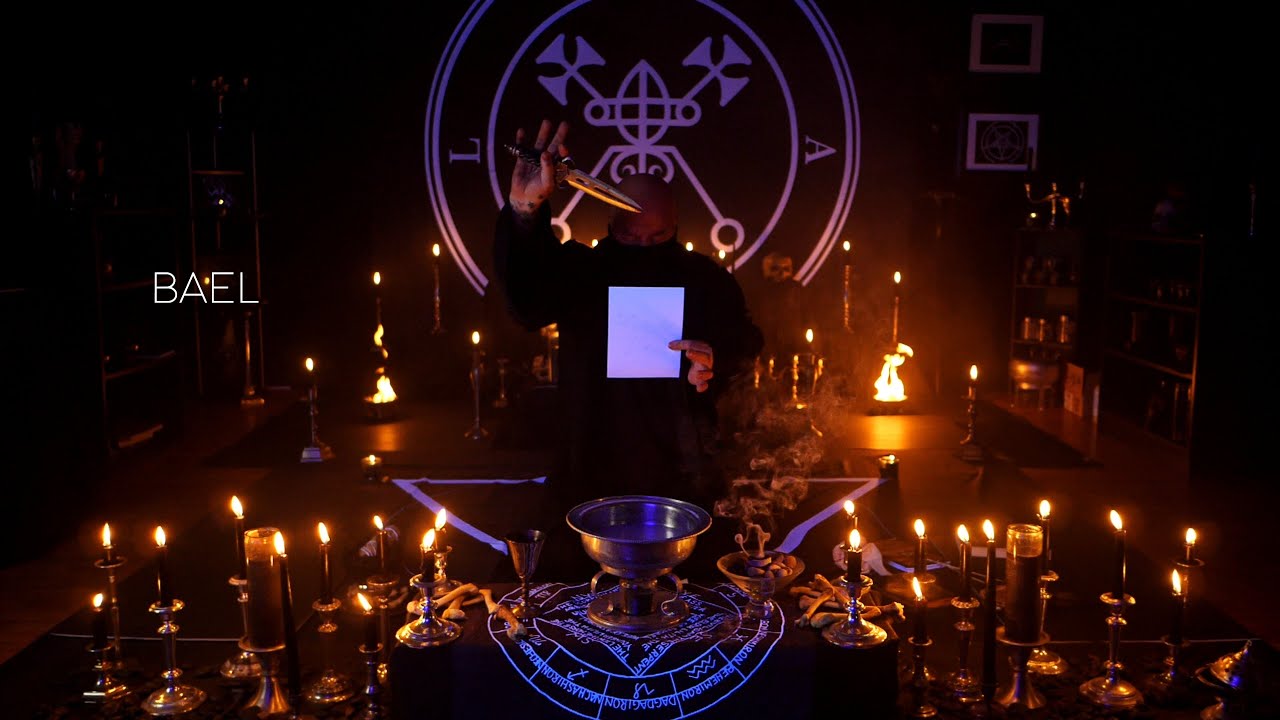
Bael Invocation
Bael (or Baal) is identified in demonological grimoires like The Lesser Key of Solomon as the first king of Hell, ruling over 66 to 250 legions of spirits. Appearing with a hoarse voice and multiple heads—typically a man, cat, and toad—he grants invisibility, wisdom, and can appear on spider legs. Key Details About the Demon Bael: Rank and Power : He is the principal king of hell and often listed as the first of the 72 spirits in the Ars Goetia. Appearance : Bael is known as
therobotpanda
Feb 9

Paimon Invocation
King Paimon is a prominent, highly loyal King of Hell in demonology, appearing in 17th-century grimoires like The Lesser Key of Solomon. Often depicted riding a dromedary, wearing a crown, and having an effeminate face, he commands 200 legions, teaching arts, sciences, and revealing secrets. He is known as a King of the West. Key Aspects of King Paimon Role and Powers : Paimon is a "King of Hell" who teaches philosophy, science, and arts, and can provide dignity and bind men
therobotpanda
Feb 2

Holy Guardian Angel
A Holy Guardian Angel is a theological concept, particularly within Catholicism, referring to a specific spiritual being assigned by God to each person at birth or conception to protect, guide, and inspire them toward salvation. They act as mediators of divine grace, guarding individuals from spiritual and physical harm throughout their lives. Key Aspects of the Holy Guardian Angel Purpose : Their primary role is to guide souls to heaven, acting as a protector of both body an
therobotpanda
Jan 26
Creating Servitors
Creating servitors is the intentional design and manifestation of a dedicated, non-sentient thoughtform or construct created to perform specific tasks. Rooted in chaos magic, practitioners create these astral beings by defining a mission, crafting a symbol or sigil, charging them with energy (often through gnostic states), and establishing a feedback loop for sustenance. Key Aspects of Creating Servitors: Definition : Servitors are crafted as assistants, acting as personalize
therobotpanda
Jan 19

Demiurge
In Gnosticism, the Demiurge is an ignorant, often malicious inferior deity who created and governs the flawed material universe, acting as a barrier between humanity and the true, supreme God. Frequently identified with the Old Testament creator, this "craftsman" (often named Yaldabaoth or Samael) keeps spirits trapped in physical bodies. Key details regarding the Gnostic Demiurge include: Role : He is the fashioner of the material world, which Gnostics consider a chaotic, ev
therobotpanda
Jan 12

Occult Guide
Demonology is the study of demons within religious belief and myth. Depending on context, it can refer to studies within theology, religious doctrine, or occultism. In many faiths, it concerns the study of a hierarchy of demons. Demons may be nonhuman separable souls, or discarnate spirits which have never inhabited a body. According to some religions, all the affairs of the universe are supposed to be under the control of spirits, each ruling a certain "element" or even obj
therobotpanda
Jan 5
bottom of page